MP Kamlakdi Challenges National Human Rights Commission Report as Toothless, Exposes Security Agency Bias Toward Southern Border Politicians
Narathiwat MP Kamlakdi criticized the National Human Rights Commission as powerless to enforce its recommendations, alleging security agencies unfairly link southern border politicians' legitimate political work to separatist activities.
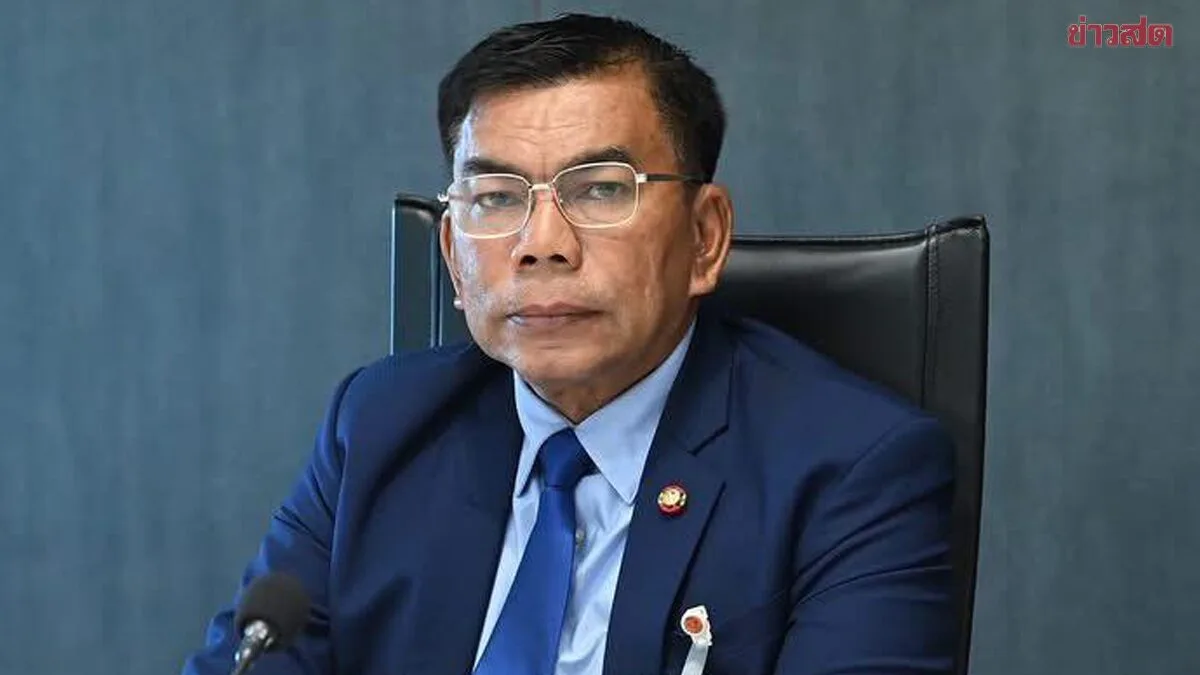
During a May 7 parliamentary session reviewing the National Human Rights Commission (NHRC) report, MP Kamlakdi Leewamoh of Narathiwat District 5 from the Palang Pracharat Party criticized the commission's limited authority, describing it as a paper tiger. He noted that while the NHRC has responsibilities under the constitution, it has virtually no power to compel government agencies to comply with recommendations or prevent human rights violations. Kamlakdi pointed out that the commission's report on southern border problems shows no progress, with recommendations repeatedly ignored by agencies, and questioned why the NHRC fails to explain the reasons for non-compliance when the Cabinet has ordered implementation.
Regarding the situation in the three southern border provinces, Kamlakdi stated the current conditions have worsened and expressed concern about widespread hate speech on social media. He urged the NHRC to investigate whether these incidents constitute human rights violations. He also called for the NHRC and the Fourth Internal Security Operations Command (ISOC) to better understand each other and respect human dignity, referencing an April 20, 2569 incident involving a vehicle under military control allegedly used in an attempted assassination.
Kamlakdi further criticized the security agencies' perspective that categorizes the separatist movement into two groups—underground operatives and politicians—arguing this mindset unfairly views political activities and organizing in the three southern provinces as part of the separatist agenda. He questioned how security agencies could consider his political work and involvement in the border region as connected to separatist activities or assassination attempts simply because of his political party affiliation.