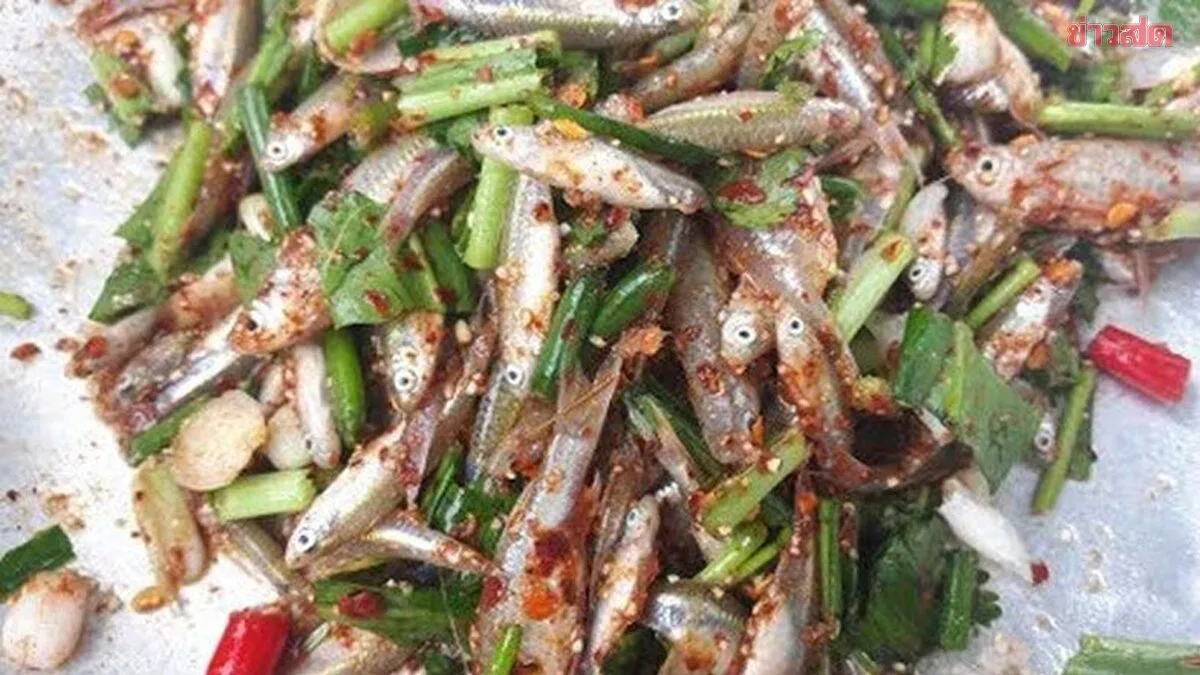
Liver fluke infections are spreading among young people in Thailand with no obvious symptoms, but can silently cause bile duct cancer over time, warns a hospital doctor after screening found thousands infected at universities in Mukdahan Pr
Doctor Jed warns: You can get liver fluke without any symptoms and risk bile duct cancer without knowing it. Liver fluke parasites are closer to home than many realize.
After Mukdahan Province screened students at Mahasarakham University and found 4,000 infected cases, the provincial governor ordered comprehensive testing and treatment for all confirmed patients.
Dr. Jetsadej Boonwongvirojn, deputy director of Maharaj Nakhon Ratchasima Hospital, posted on his Facebook page "Dr. Jed" warning that infection can occur without symptoms and carry serious cancer risk. Screening of 12,733 new students at Mahasarakham University found 4,233 infected (33%), while Mahasarakham Rajabhat University screened 1,922 and found 380 infected (19%). Provincial screening of over 20,000 people revealed an 11% infection rate.
These numbers reveal that liver fluke is no longer just an older generation problem. University students are getting infected. Healthy-looking people are getting infected. Many infected individuals show no symptoms at all—no stomach pain, no jaundice, no feeling of illness. Yet the parasites may already be lodged in bile ducts, gradually causing inflammation. The frightening part is we may not remember which meal caused the infection: a fish cake, undercooked fermented fish, or fish sauce we thought was safely fermented.
Today I want to speak clearly about this because something starting with a few raw dishes may not end with just parasites—it can extend to bile duct cancer.
1. Why don't many people realize they're infected?
Because liver flukes are experts at "staying quiet." With light infection, people function normally, eat normally, work, study—nothing clearly warns of internal problems. Some may experience only occasional bloating, indigestion, or right rib pain, thinking it's poor digestion. But prolonged or repeated infection causes bile ducts to inflame, thicken, and potentially rupture.
2. How does the parasite enter the body?
The real risk is freshwater fish with white scales eaten raw or undercooked—like snakehead, mullet, or climbing perch used in fish cakes, raw fish salad, or undercooked fish dishes. Regarding fish sauce: properly fermented and cooked fish sauce differs from raw or unknown-source fish sauce in risk level. "Fermented for a long time" doesn't automatically mean safe, especially without prior heat treatment.
3. Lime juice, salt, and chili don't equal cooking
Many believe "squeezing lime until fish flesh turns white means it's cooked." It's not. The whitening comes from citric acid changing the flesh's texture, not providing heat or guaranteeing parasite death. Salt, pepper, alcohol, or sourness cannot replace boiling, steaming, or grilling.
4. How does a tiny parasite become cancer?
The parasites don't simply settle passively. They cling to bile ducts, causing repeated irritation and inflammation. The body repairs, inflames again, repairs again. Over many years of this cycle, bile duct cells can change abnormally and develop into cancer. Not everyone infected develops cancer, but those with chronic infection, repeated raw food consumption, and no treatment face increasingly high risk.
5. Who should get screened?
Anyone who has eaten raw dishes—fish cakes, raw fish salad, undercooked fermented fish, or freshwater fish still red inside. Don't assume past consumption is irrelevant.