Senate Warns Government Against Diverting Infrastructure Funds
The Senate warned against diverting 9.64 billion baht from infrastructure investment to emergency reserves, citing risks to development spending and concerns over rushed project commitments made to avoid budget clawbacks.
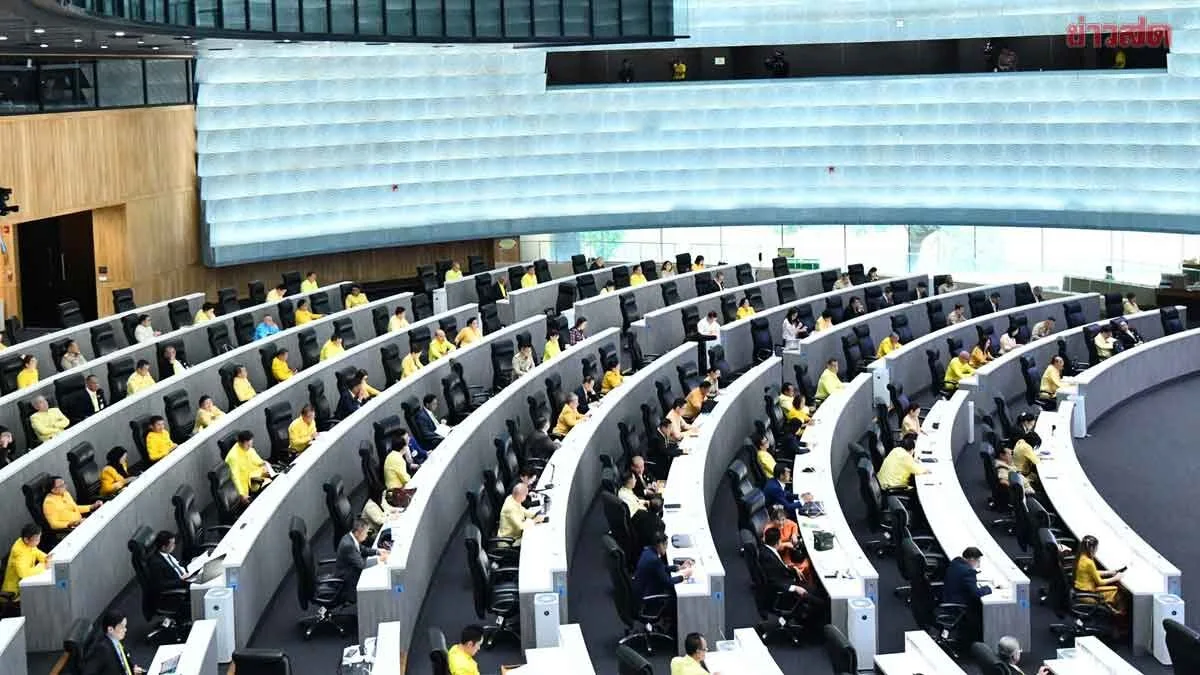
During a Senate session on July 6, 2025, to consider a bill on budget reallocation approved by the House, Senator Suphachok Salagkij, chairman of the Senate Budget Committee, presented concerns about transferring 9.64 billion baht from investment budgets to central reserves for emergency and necessary spending. While acknowledging the rationale, the committee worried that diverting investment funds would reduce infrastructure development spending and harm national competitiveness.
The committee proposed compensating affected projects in the next fiscal year and implementing stricter fiscal control measures. A key concern involves government agencies rushing spending to prevent budget cuts. The government announced fund returns before April but set the actual data cutoff date for June 2, creating pressure for accelerated spending. From May 31 to June 5—just five days—agency spending increased by 3.15%, significantly higher than the typical 6%-7% monthly rate, reflecting rushed debt commitments and payments to avoid fund clawbacks. Though procedurally correct, such rushed projects risk compromising work quality, contractor performance, and investment value.
Senator Suphachok emphasized that central budget allocations lack transparency, as approval decisions rest solely with the executive branch. While enabling quick crisis response, this creates risks of improper spending that are difficult to audit. The committee stressed that all projects requesting such funds must specify clear metrics and outcomes for parliamentary and public oversight. The committee called for systematic budget planning aligned with national financial capacity and ensuring spending directly addresses target populations, without repeating wasteful government spending.