Russian Women Selling Used Breast Implants Online
Russian women are selling used breast implants online at steep discounts, with premium brands dropping to a quarter of their original price amid economic hardship. Medical experts warn the implants cannot be safely reused due to retained bi
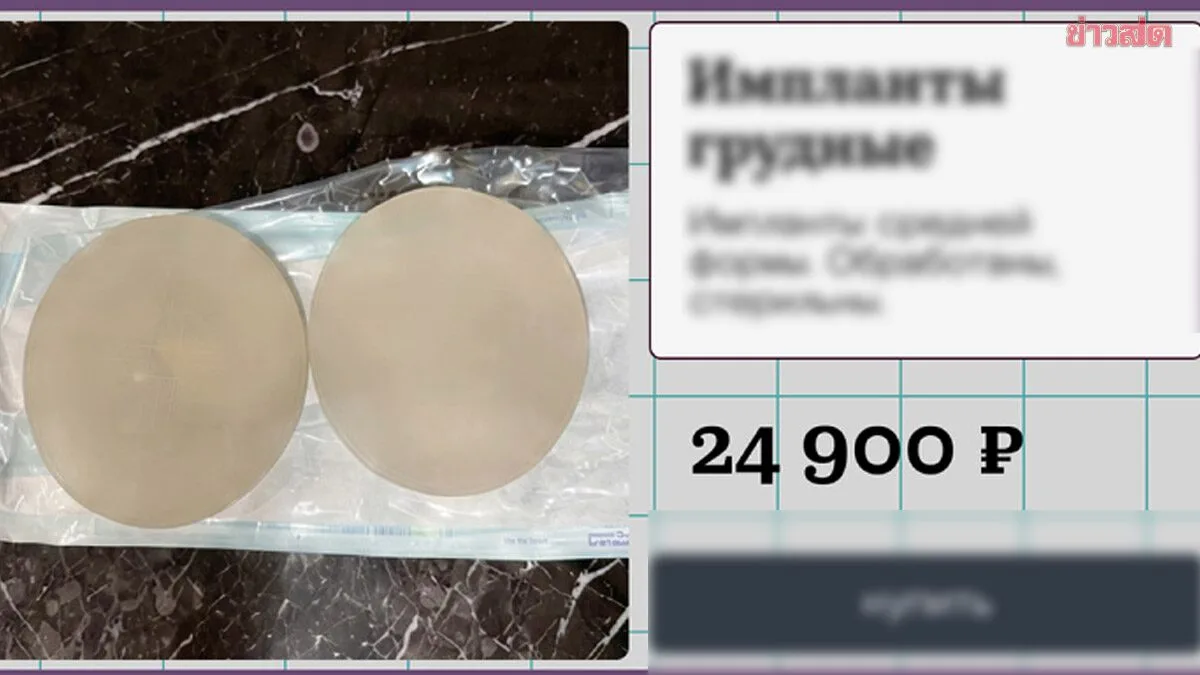
An unusual trend has swept Russia, with large numbers of women listing second-hand breast implants for sale on online platforms at prices far below their original cost amid an economic crisis. While cosmetic breast augmentation surgery has declined by approximately 40% over the past decade, according to cosmetic surgeons, a surprising surge in second-hand implant listings has appeared on Russian websites and online platforms in recent months. Women removing implants cite diverse reasons for their sales, including "I gave birth," "I'm tired of them," "They make me feel ugly," "My body hurts," or even "I want some money back from the surgery." While many reasons explain the decision to remove implants, only some cases clarify why they are being resold, suggesting this trend may extend beyond beauty concerns alone. Some analysts link this phenomenon to Russia's economic struggles, including currency fluctuations, reduced purchasing power, and the impact of Western companies and banks withdrawing from the market, forcing people to sell valuable assets to cover daily expenses—even items never before considered second-hand goods. According to Telegram channel BAZA, premium-brand silicone implants are being resold at a fraction of their original cost, such as Mentor implants dropping from approximately 140,000 rubles (around 60,000 baht) to just 35,000 rubles (roughly 15,000 baht), and Motiva implants falling from about 200,000 rubles (approximately 86,000 baht) to merely 30,000 rubles (around 12,000 baht). However, experts warn that used silicone implants cannot be safely reused for medical purposes because they retain the original user's biological material and cannot be safely sterilized, posing serious health risks if reused. Despite being unsuitable for actual medical reuse, some sellers market them as "collectibles" or "novelty items" for online markets, fueling widespread social media discussion about this peculiar trend.