Thailand Fund Brings 4G Internet to Highland Ethnic Communities
A Thai public interest fund is partnering with a foundation to bring 4G internet and clean energy to ethnic minority communities in remote highlands, training local residents as "community engineers" to independently manage the systems.
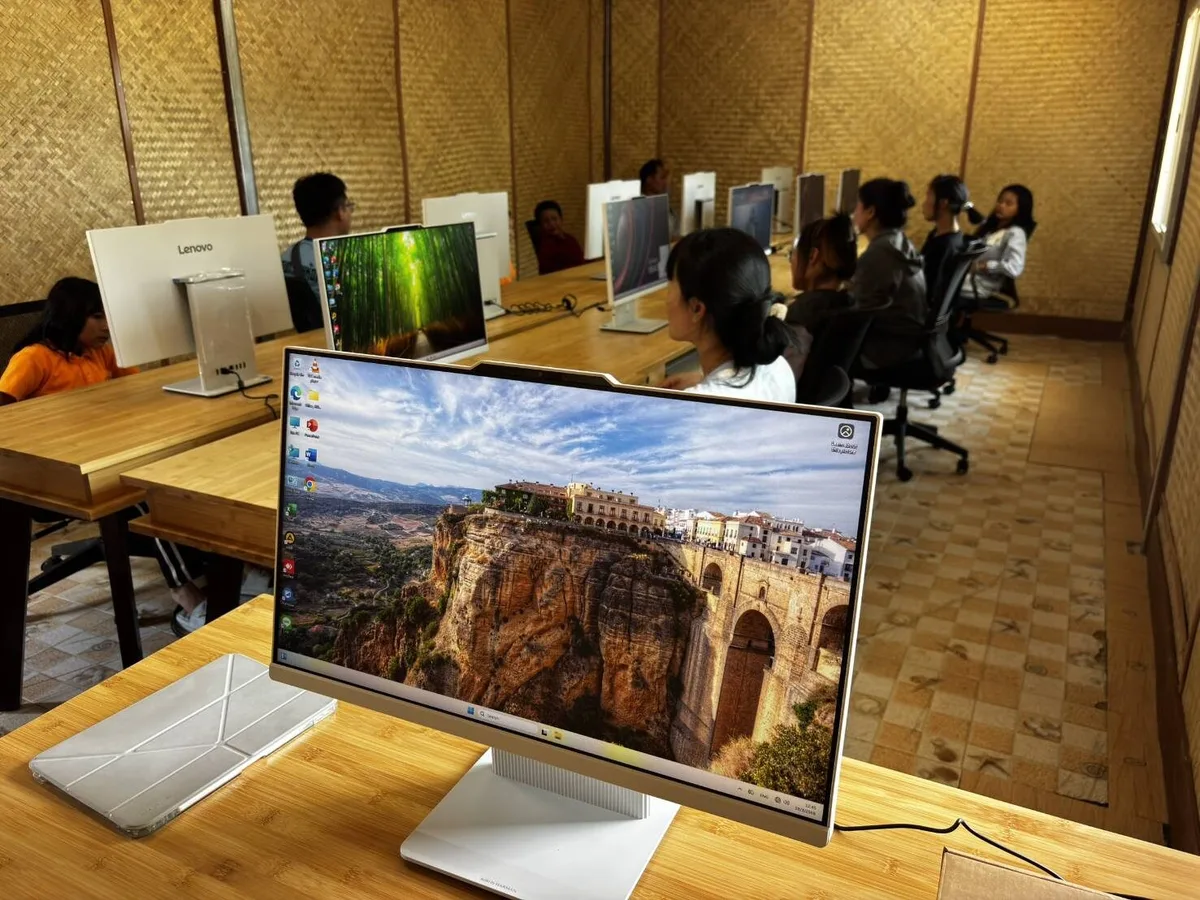
The Broadcasting, Television and Telecommunications Fund for Public Interest (BTFF) is advancing efforts to bridge the digital divide by implementing a project to "expand internet service centers for underprivileged communities" in partnership with the Community Energy Enterprise Foundation. The initiative brings high-speed internet and clean energy to ethnic minority communities in highland and remote areas currently outside basic telecommunications service zones, creating a "Digital Community Living Lab" model built on genuine community participation.
The project begins with local residents surveying their needs, designing installation locations, and analyzing geographical constraints alongside government agencies, local authorities, and community leaders to address the real needs of highland ethnic communities. Where electricity and communications infrastructure do not yet exist, the project develops a hybrid energy system combining syngas, solar cells, and battery energy storage (BESS) to create stable power for continuous internet service. A hub-and-node network design expands coverage to distant villages, overcomes geographical barriers, and ensures all residents can access digital services equitably.
However, the project's core goal extends beyond technology installation. It aims to establish a Digital Community Living Lab where residents learn, experiment, develop, and self-manage systems through mentorship and continuous digital skills training. The key is developing "community engineers"—local personnel who can independently maintain and upgrade energy and internet systems while building skills in digital communication, online marketing, media production, and technology-driven value creation for community products and services.
Upon completion, communities transition from being mere "service recipients" to becoming "digital social enterprises" capable of independently managing communication systems, applying knowledge to education, employment, public communication, and economic development under principles of informed, equitable, and sustainable technology access. This integrated model—combining participatory development, digital technology, clean energy from local biomass resources, and community capacity building—creates a scalable Digital Community Living Lab that can reach remote areas nationwide, reduce communication inequality, build digital security, and decrease long-term dependence on government funding through community self-management.