DNA Testing Helps 73-Year-Old Stateless Woman Pursue ID Card
A new DNA testing unit in Buriram helps stateless and unregistered residents verify their identity and access healthcare and welfare benefits. A 73-year-old woman who lost her documents in a fire decades ago can now pursue the permanent cit
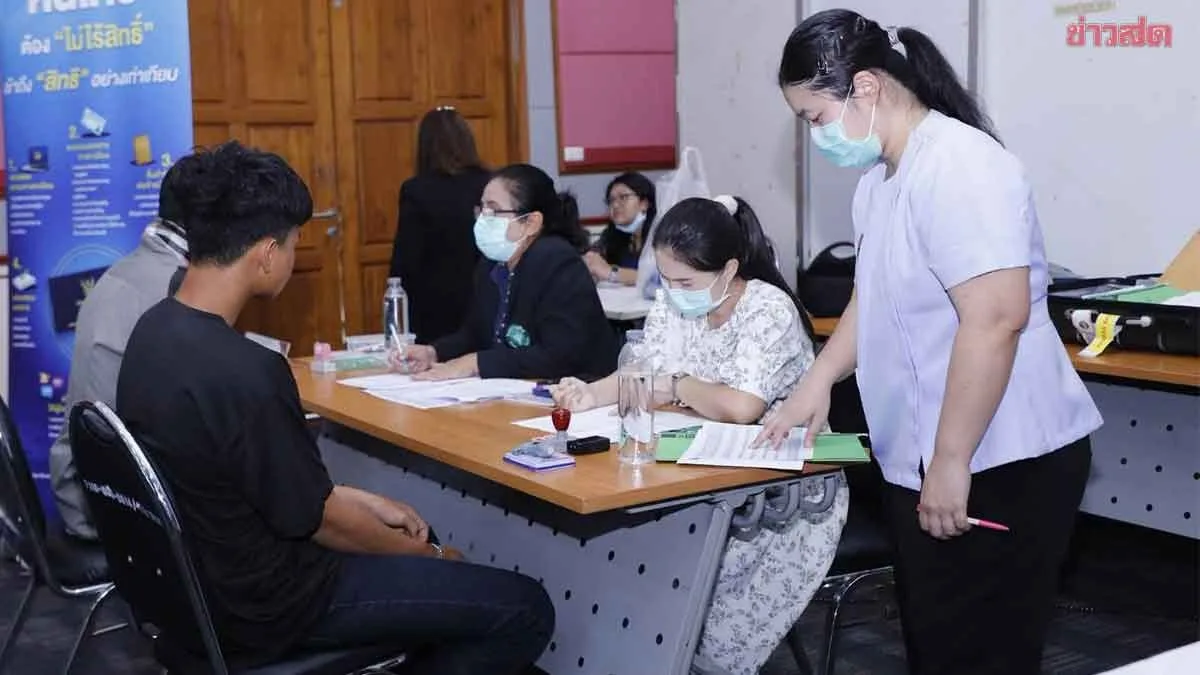
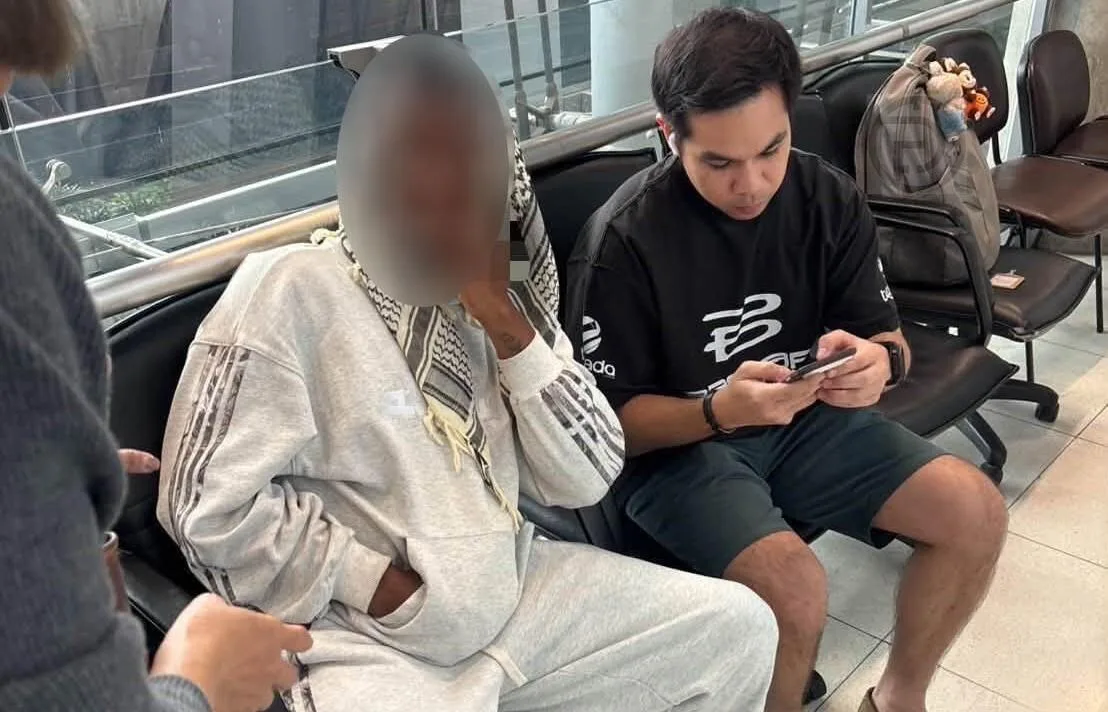
Buriram's National Health Security Office has opened a DNA collection unit to assist people facing registration status problems, enabling them to enter the identity verification process and access full government welfare and healthcare benefits. A 73-year-old woman who held a yellow temporary ID at age 17 lost her documents in a fire and has been seeking to obtain a permanent citizen ID card before her death.
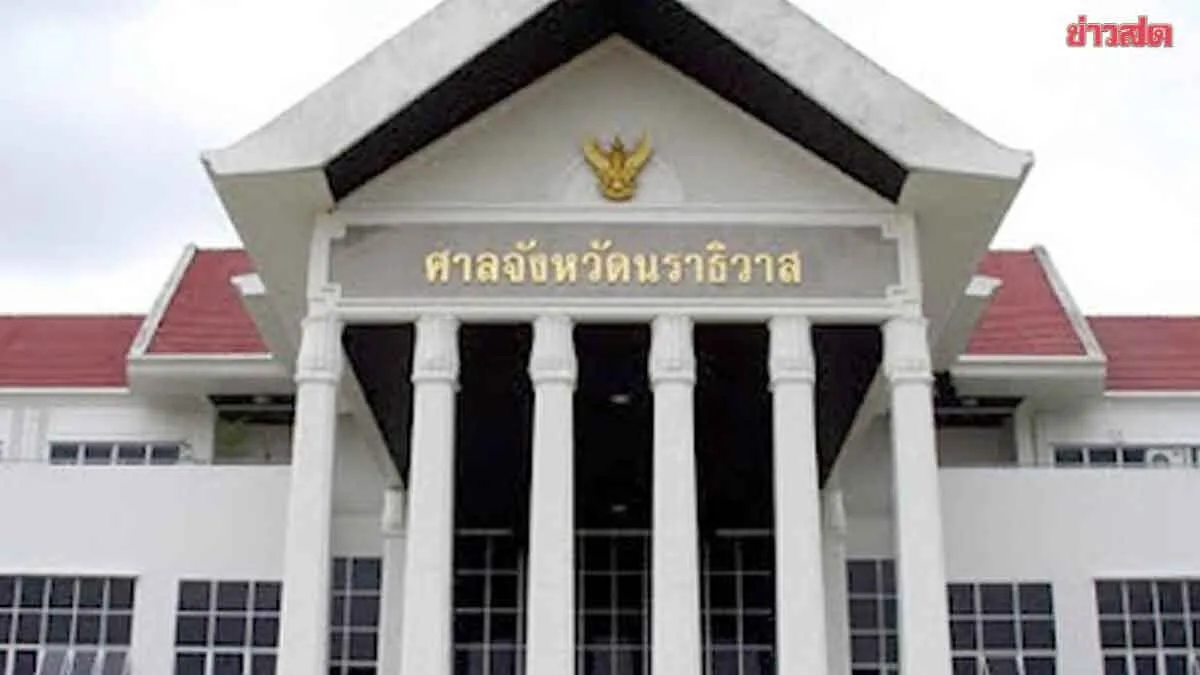
On July 9, 2026, at Buriram Hospital, Deputy Governor Sritham Ratchkaew officially opened the DNA genetic testing collection unit, the fourth facility of its kind in the northeastern region. The initiative is driven by the National Health Security Office Region 9, working with the Institute of Forensic Science, Buriram Hospital, the provincial health office, district registration officials, and various partner agencies.
The unit aims to facilitate identity verification for unregistered citizens so they can access health insurance and other state welfare benefits. Deputy Governor Sritham emphasized that Buriram Province is committed to ensuring no one is left behind. He stated that this effort is a significant step in integrating cooperation between government agencies, public health authorities, local administration, and the community to address residents' real concerns.
Having proper identity status and a valid ID number goes beyond mere registration—it is the foundation for accessing fundamental rights including healthcare, education, and state welfare, ensuring equal opportunity for quality of life improvement.
Residents in Buriram and neighboring areas can now access these services locally without traveling to other provinces, removing barriers to identity verification and enabling faster access to legal rights. The unit also helps healthcare facilities accurately bill for services, benefiting both patients and the national health system.
Muay Manpaen, a 73-year-old woman facing registration problems, explained that she obtained only a temporary yellow card at age 17. She then migrated for work to survive, but her documents were destroyed in a fire, leaving her without proof of status and unable to access medical care or state benefits. Despite entering the identity verification process decades ago, she remains unrecognized. She now hopes to finally obtain proper legal status and enjoy the same rights as ordinary Thai citizens in her remaining years.