Seaweed and Blue Carbon Drive Net Zero Goals
Prince of Songkla University and the Asia-Pacific Phycological Association are organizing the 2026 APPA Regional Forum to advance research on seaweed and blue carbon as tools for climate mitigation and achieving Net Zero emissions targets.
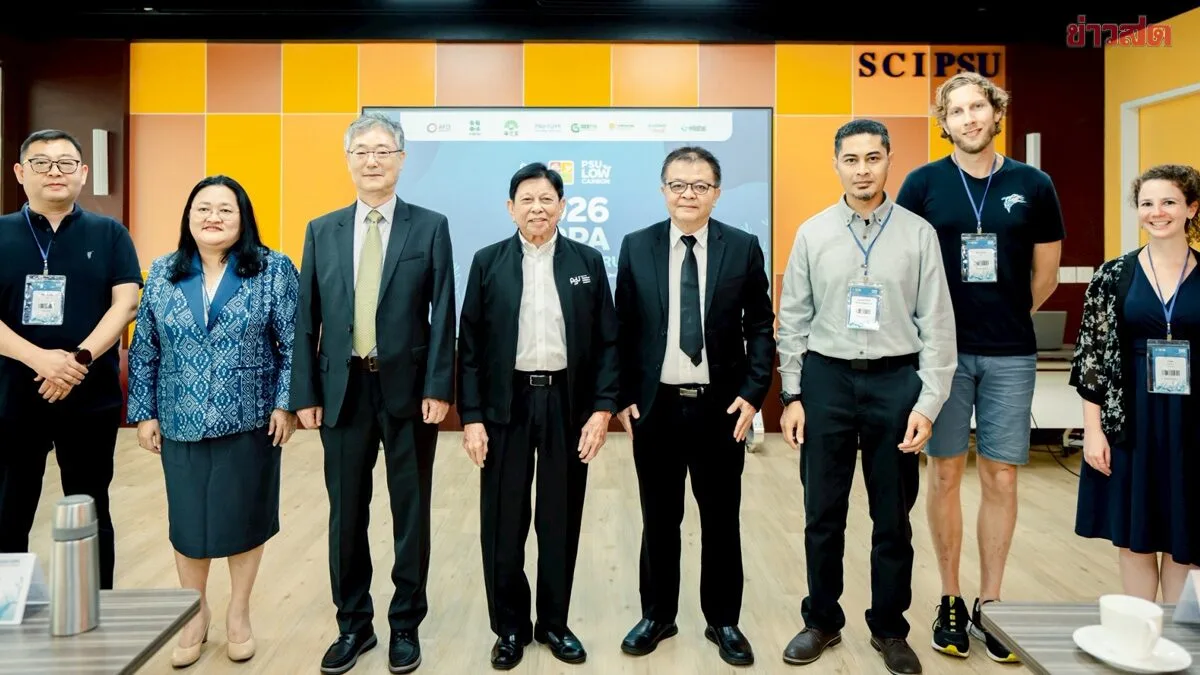
Prince of Songkla University's Faculty of Science is collaborating with the Asia-Pacific Phycological Association (APPA) to organize the 2026 APPA Regional Forum under the theme "Seaweed Blue Carbon for Climate Mitigation." The regional academic conference will facilitate knowledge exchange on seaweed and blue carbon while promoting sustainable approaches to using marine resources for greenhouse gas reduction.
The forum takes place amid climate change challenges impacting ecosystems, economies, and global quality of life, particularly affecting marine and coastal resources that play a vital role in carbon sequestration and storage. Blue carbon research and knowledge development represent a critical mechanism for achieving greenhouse gas emission reduction targets and advancing toward Net Zero.
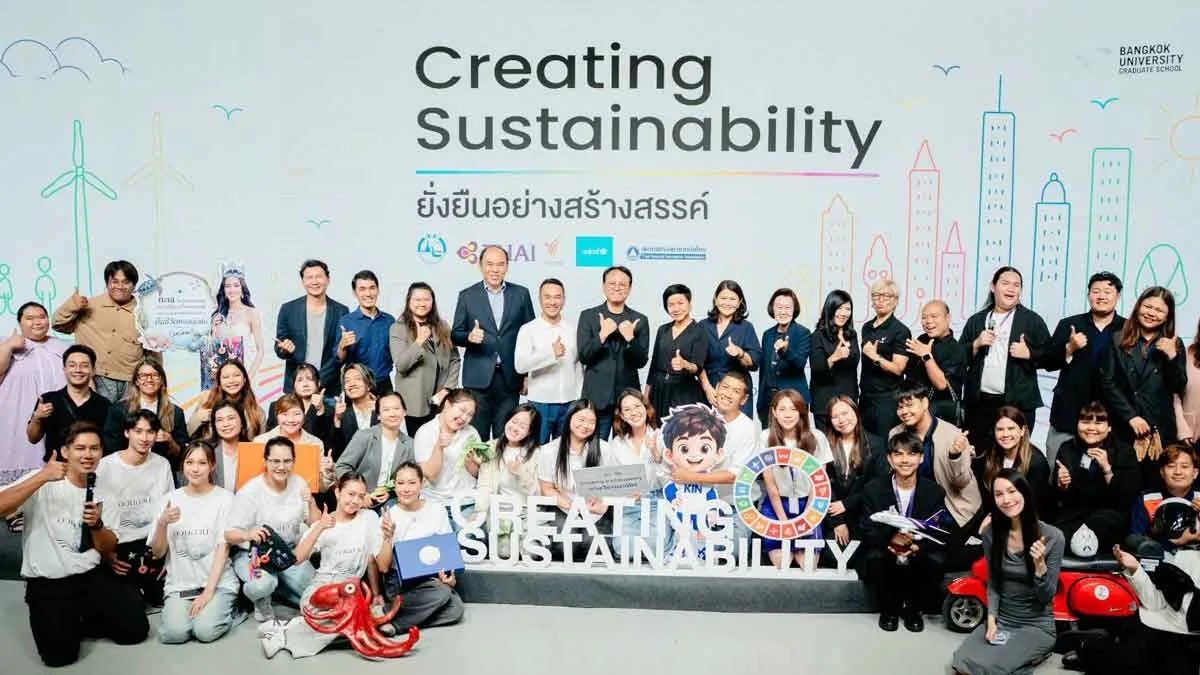
The opening ceremony was presided over by Professor Dr. Sanit Aksonkaew, joined by Associate Professor Dr. Udompol Poonpaibuul, Deputy Vice Chancellor for Human Resources and Special Affairs at Prince of Songkla University; Professor Jeong Ha Kim, APPA President; and Professor Dr. Anchana Prathep, Dean of the Faculty of Science at Prince of Songkla University.
Professor Dr. Anchana Prathep emphasized that the 2026 APPA Regional Forum serves as a crucial platform connecting researchers, experts, government agencies, and partners from multiple countries to exchange knowledge and experience on seaweed, blue carbon, and marine resource management. This collaboration will advance research and policy recommendations addressing regional climate change impacts.
A key highlight was the "Blue Carbon Policy and Government" session featuring Dr. Pinsak Surasawadee, Director-General of the Department of Marine and Coastal Resources, who shared Thailand's marine resource management perspectives and the marine ecosystem's role in carbon storage. He emphasized coordination between government, research, and communities to support the transition to a low-carbon society.
Research presentations reflected field-based perspectives, including a study on local community understanding of seagrass ecosystem and blue carbon changes in Ko Libong, Trang Province by Mr. Dzaki Satrio Widanto. The findings underscore that sustainable marine and coastal conservation requires community participation, knowledge, and awareness.
The forum provided a platform for international experts to share seaweed blue carbon knowledge, including Associate Professor Mohammad Rozaimi Jamaludin from Universiti Kebangsaan Malaysia and Dr. Liu Zhengyi from Yantai Institute of Coastal Zone Research in China. They presented research on seaweed's carbon storage potential and its role as a critical resource for mitigating climate crisis impacts.
The 2026 APPA Regional Forum reflects Prince of Songkla University's Faculty of Science commitment to advancing marine science and environmental research to international levels while building academic collaboration networks for developing knowledge, innovation, and approaches to address climate challenges.