4,000 Maha Sarakham University Students Test Positive for Liver Fluke
Over 4,000 Maha Sarakham University students tested positive for liver fluke in screening, with authorities blaming raw fish sauce in papaya salad and warning infections could lead to bile duct cancer within 15-20 years without intervention
On July 6, 2025, Maha Sarakham Governor Chumpich Decharat chaired a meeting at the provincial hall to discuss organizing the "New Generation Northeast Festival: Liver Fluke and Bile Duct Cancer-Free" event. The meeting included Dr. Danai Wangbunchaiand Dr. Nittaya Wankij, Deputy Rector for Student Development at Maha Sarakham University, along with provincial health officials.
Sukhsorn Sirisuriyasunthorn, head of communicable disease control at the Maha Sarakham Public Health Office, reported alarming infection rates. Screening of 20,000 residents revealed an 11% infection rate. Among 12,733 newly enrolled students at Maha Sarakham University, 4,233 tested positive for liver fluke—a 33% infection rate. At Maha Sarakham Rajabhat University, 380 of 1,922 new students were infected, representing 19%.
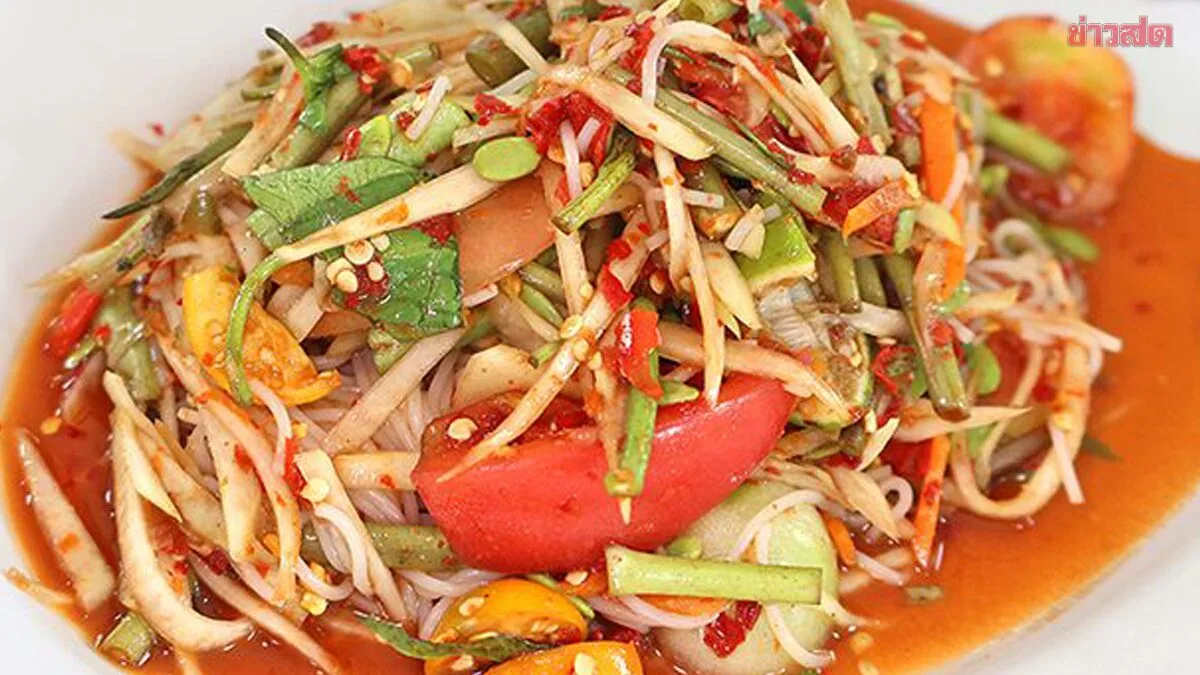
Governor Chumpich attributed the outbreak to young people's consumption of som tam (papaya salad) containing raw fish sauce, which may harbor parasitic eggs unapproved by the Food and Drug Administration. He warned that without intervention, these students could develop bile duct cancer within 15-20 years, threatening the nation's future.
The governor ordered the health office to inspect papaya salad restaurants and food establishments using fish sauce. He announced a training program scheduled for August 3 at Maha Sarakham University to educate food business operators and students about safe food preparation and parasite prevention. Restaurants serving cooked fish sauce will receive certification labels.
"This is a serious issue we cannot ignore," Governor Chumpich stated. "With such high infection rates among screened students, we must identify the source and implement sanitary controls on fish sauce production. The health office will inspect restaurants, particularly papaya salad vendors, to promote safe practices and provide consumer awareness."
Assoc. Prof. Dr. Nittaya expressed shock at the high infection rate, noting that new students should not face such risk. She called for screening of all university staff and students—approximately 50,000 people—as most are at risk due to traditional Northeastern eating habits involving raw fish sauce in papaya salad.