Thailand has scrapped automatic renewals on solar and wind power contracts, cutting buyback rates from over 3 baht to 2.16 baht per unit to reflect current renewable technology costs and reduce consumer electricity prices.
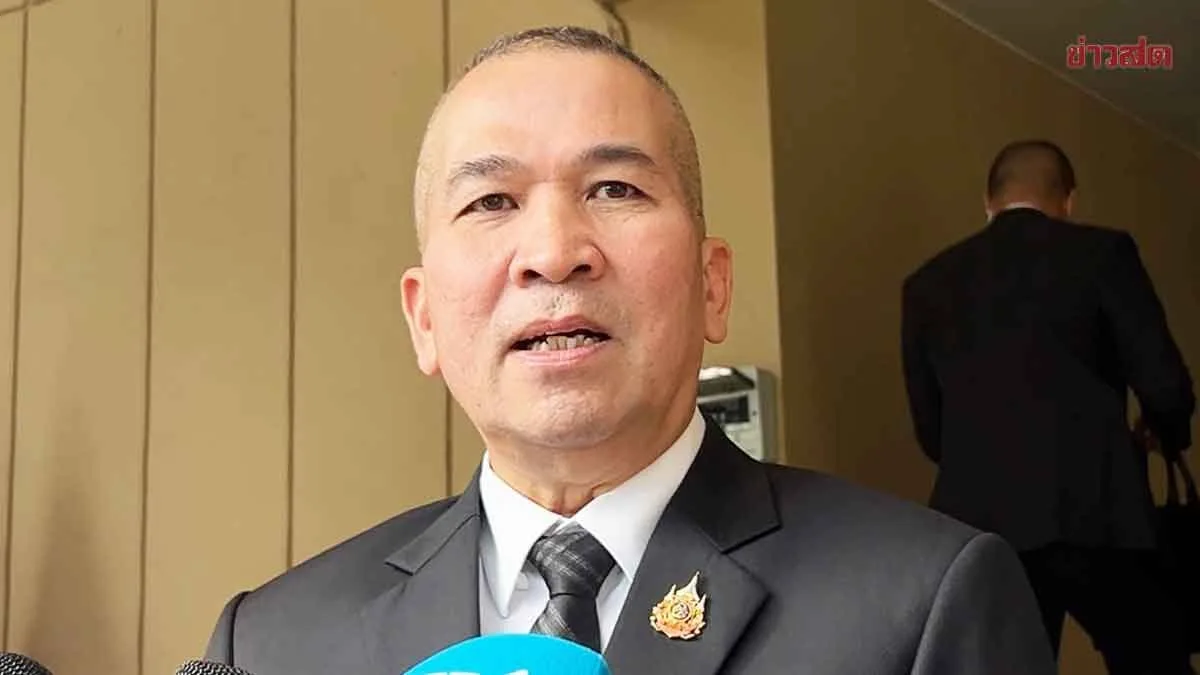
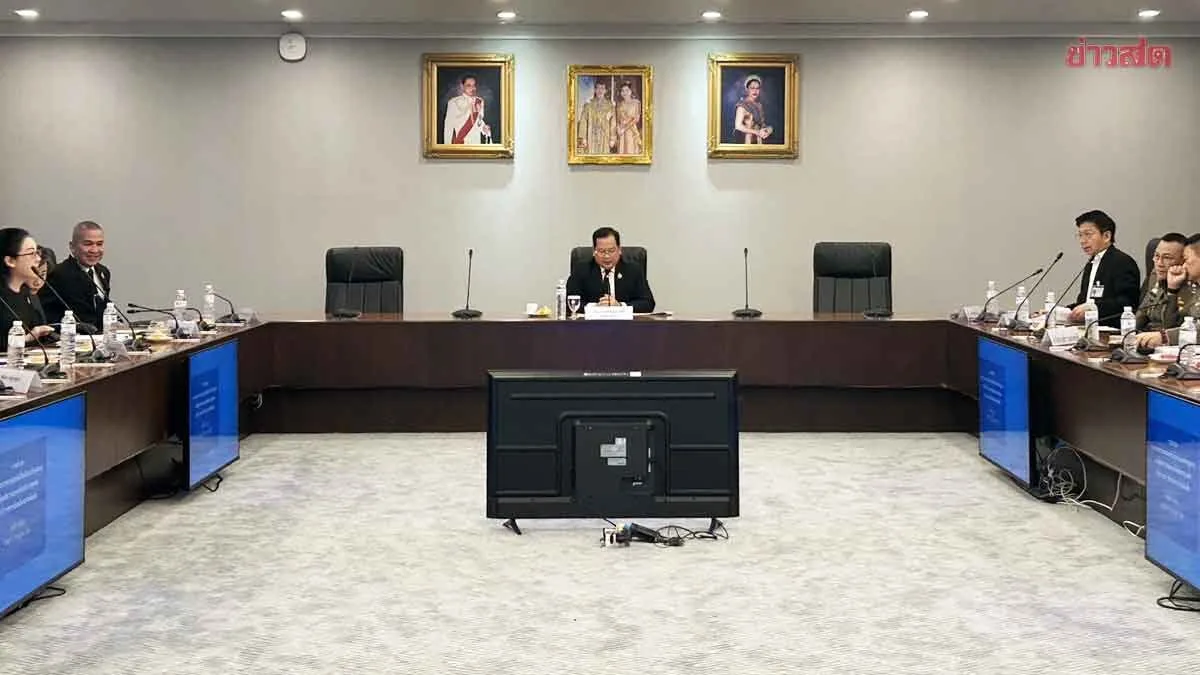
On July 8, Danucha Pichayanan, secretary-general of the National Economic and Social Development Council (NESDC), revealed after a meeting chaired by Deputy Prime Minister Porkorn Nilprapanh that the committee has made significant decisions to reform renewable energy power purchase guidelines from the private sector, ensuring fairness to consumers and reflecting true costs in line with government policy.
The committee identified the core problem: perpetual power purchase agreements for small and very small renewable energy plants (SPP/VSPP)—both solar and wind—signed between the government and private sector in the past feature automatic renewal upon contract expiration. Additionally, the original buyback rates reference wholesale prices plus fuel adjustment charges (FT) exceeding 3 baht per unit, despite these plants having no actual fuel costs since they generate electricity from renewable sources like wind and solar.
The committee has adjusted the new buyback rate to align with current, cheaper technology, using the community solar project rate of 2.16 baht per unit. This will initially apply to solar cell plants, which have clear benchmark pricing, while wind power plants will receive a separately determined rate.
Danucha outlined the committee's approach, divided into two groups:
1. Plants completing their 25-year contracts (approximately 515 contracts totaling roughly 2,400 megawatts): These currently have automatic 3-5 year renewals. The new resolution eliminates automatic renewal, allowing only one additional extension matching the original contract term (3 or 5 years) at 2.16 baht per unit. Upon expiration, contracts terminate immediately.
2. Plants that have received subsidies (Adder) for 10 years but have not reached 25-year expiration (approximately 46 contracts with around 1,478 megawatts already operational): These are considered cost-recovered from the subsidy period, so remaining contract years will be adjusted to 2.16 baht per unit.
For non-operational plants (4 contracts, 67 megawatts total) exceeding their commercial operation date by 2 years with no progress, contract cancellation will be considered case-by-case.
When asked about electricity rate reductions, Danucha stated no precise figures are yet available, but reducing FT to reflect true costs will benefit overall public electricity rates. The new price structure removes the FT component to reflect current actual costs, as renewable technology prices have dropped significantly.
The Office of Energy Policy and Planning (OEPP) and the Energy Regulatory Commission are calculating the exact electricity rate reduction resulting from the contract revisions, with baseline rate reductions possibly not occurring immediately.