Egg-Filled Crickets Command Premium Prices at Around 400 Baht per Kilogram as Demand Surges
Egg-filled crickets are fetching premium prices of around 400 baht per kilogram during Thailand's rainy season as villagers flock to forests to harvest the protein-rich insects. The pae cricket variety commands higher prices than other spec
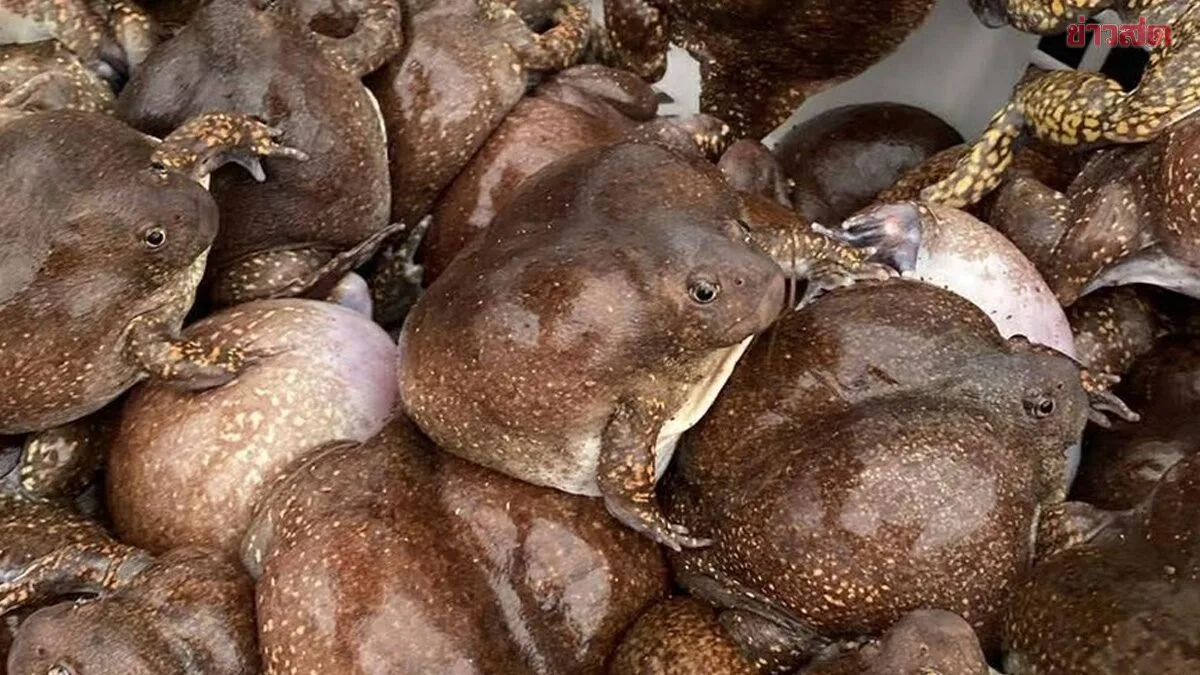
Egg-filled crickets are commanding premium prices of around 400 baht per kilogram as demand surges among consumers. The reason behind this popularity is revealed in reports showing that other cricket varieties have seen price declines.
During this early rainy season, many areas—particularly those adjacent to forests and mountains—are experiencing flooding. Villagers venturing into the forest near dusk are discovering "pae crickets" or "khok crickets," another variety of the common edible cricket, which have become highly sought after. These crickets don't produce the sticky secretion found on other species.
At the beginning of mating season, female pae crickets become completely full of eggs. They emerge to feed and lay eggs in ponds, carrying only eggs in their abdomens since they haven't yet consumed other insects. Other cricket varieties, such as striped crickets, have seen their prices gradually decline, though they still find consumers due to their soft bones that allow them to be eaten whole.
Another cricket species, locally called "lazy crickets," commonly inhabit gardens and residential areas. They emerge to feed on insects when rain falls near electric lights, have striped bodies, lay eggs in drainage channels, and produce loud chirping throughout the night. Villagers catch these as well, selling them at approximately 100 baht per kilogram.
According to "Mae Kha Luk Song," a forest product vendor from Pa Sang District in Lampoon Province who sells seasonal forest goods including crickets, bamboo shoots, mushrooms, and ant eggs, she now openly buys and resells pae crickets. She confirmed that egg-filled pae crickets are considerably expensive, reaching up to 400 baht per kilogram.
Villagers who forage forest products for consumption or income to support their families remain fearful following cases where the national park has declared forest closures and arrested villagers for harvesting red ant eggs in protected areas. However, with abundant food sources emerging during the rainy season, there is an argument that restrictions should be relaxed to ensure the survival and supplementary income of forest-dwelling communities.