Acne Medication Types and Safe Usage Guide
Acne treatment requires choosing the right medication type—topical options like benzoyl peroxide and retinoids work for mild cases, while moderate to severe acne may need oral medications prescribed by a dermatologist.
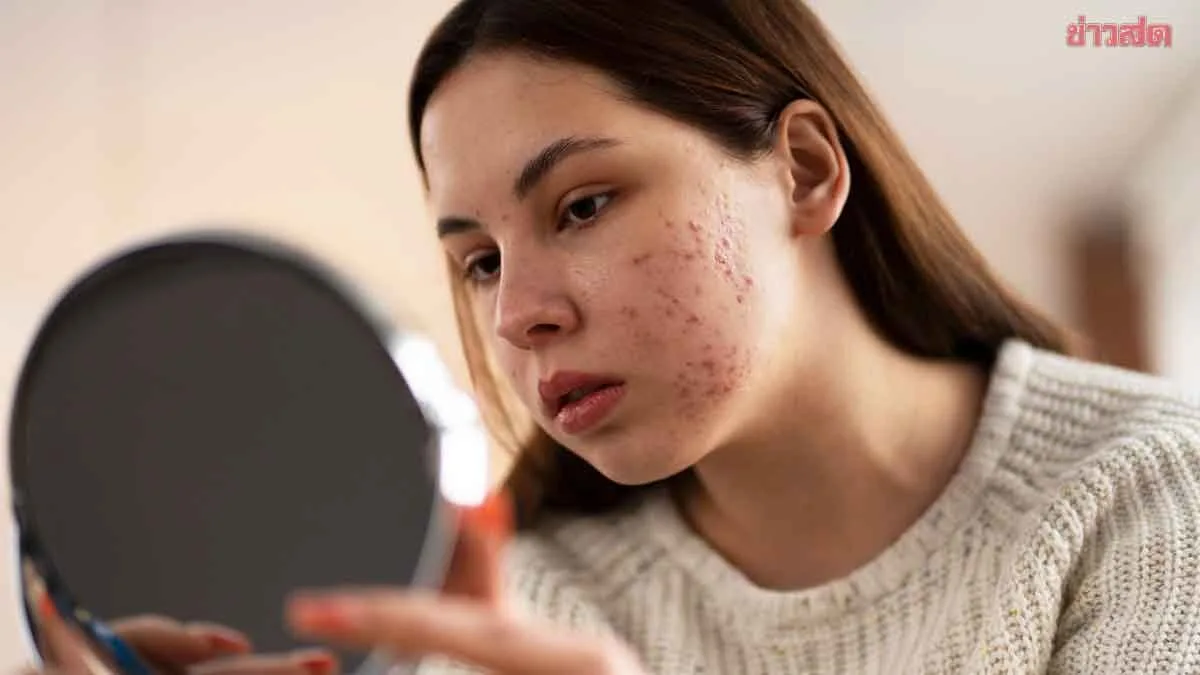
Acne is a common skin condition affecting people of all ages, from teenagers to working professionals and adults. Multiple factors contribute to acne development, including excess oil production, clogged pores, bacterial accumulation, and hormonal fluctuations. This has led many people to seek effective and safe acne treatments, with one popular approach being the use of medications suited to their specific acne type and skin condition.
However, acne products come in many varieties with different usage methods. Incorrect selection can cause irritation, peeling, dryness, or other adverse effects.
Topical spot treatments are used for mild acne. Benzoyl peroxide helps reduce bacteria on the skin and unclog pores, making it suitable for inflammatory and pustular acne. Users should start with low concentrations to prevent irritation. Retinoids (vitamin A derivatives) promote cell shedding, reduce pore clogging, and prevent new acne formation. They are widely used by dermatologists for treating blackheads and chronic acne. Topical antibiotics reduce bacteria and inflammation, often combined with other acne treatments for enhanced effectiveness.
Oral acne medications are prescribed for moderate to severe cases. When topical treatments fail or extensive inflammatory acne is present, doctors may recommend oral medication under close medical supervision due to potential side effects.
Choosing acne medication matched to acne type is crucial. Different acne types require different treatment approaches—blackheads often respond well to retinoids, while inflammatory acne may require antibiotics. For severe or persistent acne, consulting a dermatologist ensures proper treatment planning, reduces risks from incorrect medication use, and improves outcomes.
Acne treatment products include both topical and oral options, each with different properties. Selecting medication appropriate to skin condition and acne type improves treatment effectiveness, reduces recurrence, and prevents future scarring. Beyond medication, proper skincare, gentle cleansing, adequate rest, and nutritious diet are important supporting factors for achieving good and lasting results.