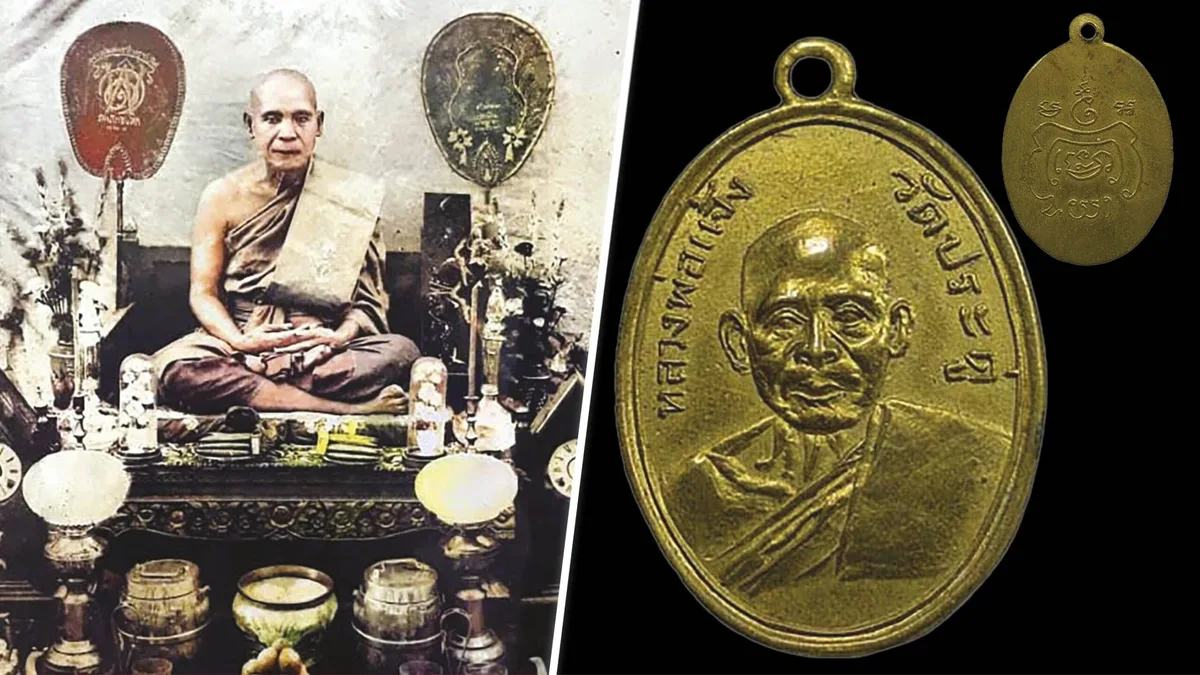
Luang Pu Chaeng, fourth abbot of Wat Pradu temple in Samut Songkhram, gained royal favor during King Rama V's reign for his healing powers using blessed water and herbal remedies. The king visited the temple in 1904 and later summoned the m
Luang Pu Chaeng Punnanjantu, the fourth abbot of Wat Pradu in Amphawa district, Samut Songkhram province, was a respected elder monk of the old era who possessed powerful spiritual attainment. Wat Pradu is an ancient temple, believed to have been constructed in the late Ayutthaya period around 1877. Based on historical research, it is considered one of the oldest temples in the Samut Songkhram area.
According to the history of Wat Pradu, the abbot who held office during the reign of King Rama V was Luang Pu Chaeng, who served as the temple's abbot when the king visited. Historical accounts record that on July 21, 1904, King Rama V traveled by water in his royal barge, which passed in front of Wat Pradu. The king stopped to prepare meals and take breakfast. He was surprised to see many villagers gathered at the riverside pavilion, so he instructed a high-ranking official to inquire why so many people had assembled there.
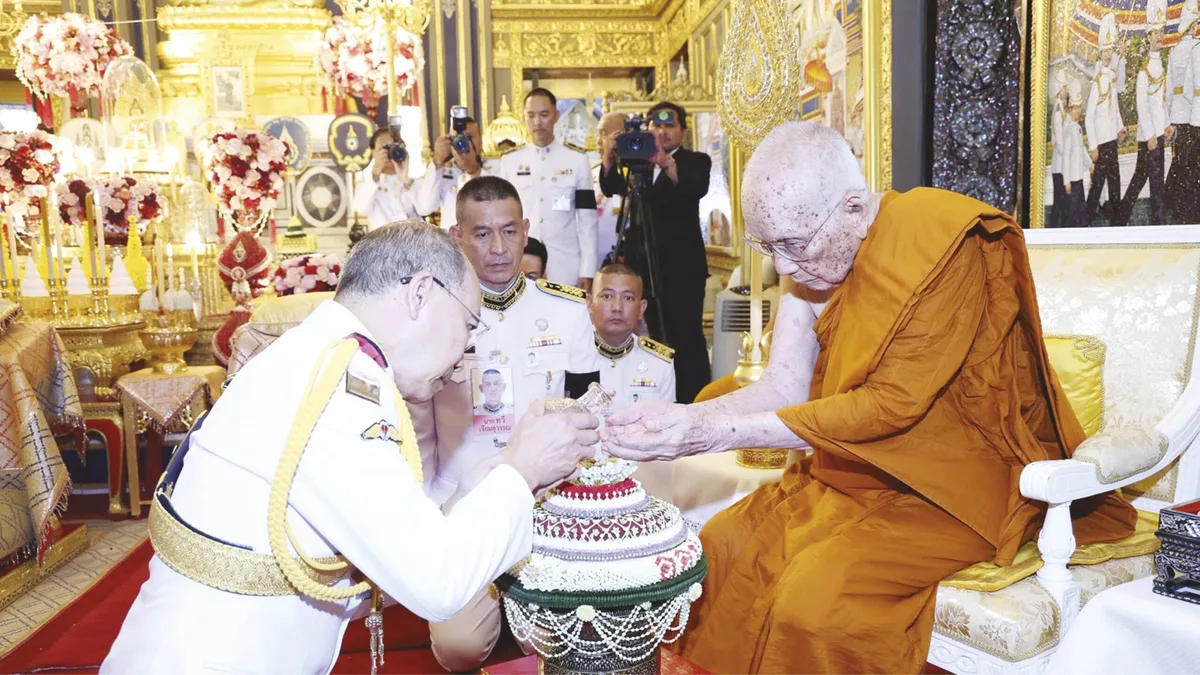
Upon investigation, the king learned that Luang Pu Chaeng, the abbot of this temple, was a monk with powerful spiritual knowledge capable of curing diseases and ailments. Most famously, he was known for his sacred blessed water. The sacred medicinal remedy was similarly prepared from neem leaves used together with the blessed water. When King Rama V learned of this from his official, he left the temple. Shortly thereafter, Luang Pu Chaeng received an invitation to the royal palace to treat a royal family member. After successfully completing the treatment and the patient recovered, the king was greatly impressed. Before leaving, the king bestowed various royal items including beds, ornaments, and other articles as mementos.
During his reign, King Rama V presented numerous items of royal devotion to Wat Pradu. The temple has since preserved these royal gifts in a museum dedicated to items from the Rama V period, carefully maintaining them for posterity. Luang Pu Chaeng treated patients using only a few herbal remedies—neem leaves and galangal root combined with sacred incantations. If a patient had not yet reached the end of their life, he would provide treatment and prepare medicine for them to drink, and they would recover. However, if upon examination he determined the patient had reached their destined time, he would not provide treatment.
Besides the blessed herbal remedies, another thing for which he was most famous was his "sacred blessed water." It is said that when sprinkled on anyone, it cured all diseases, whether caused by spirits, wind afflictions, or madness. Whoever took the blessed water from Wat Pradu back home would be cured—it was said to be extraordinarily powerful and sacred.
One famous story tells of when Luang Pu Chaeng was invited to the palace. As he walked toward the palace gate wearing old robes, the guards standing duty refused to let him pass. He told them that King Rama V had invited him to chant prayers. The monk said, "The king invited me, I will enter to chant. Look, I even brought my fan." He opened his fan to show them. The guards were amazed because the palm leaf fan bore the royal emblem (a golden fan with the Garuda insignia). The guard quickly escorted Luang Pu Chaeng inside. Upon arriving, recognizing his humble position, Luang Pu Chaeng sat in the last seat. When the chief monk noticed him, he prostrated before the king and reported his arrival. The king graciously commanded that Luang Pu Chaeng be seated in the second position, right after the Supreme Patriarch and before several other high-ranking monks.
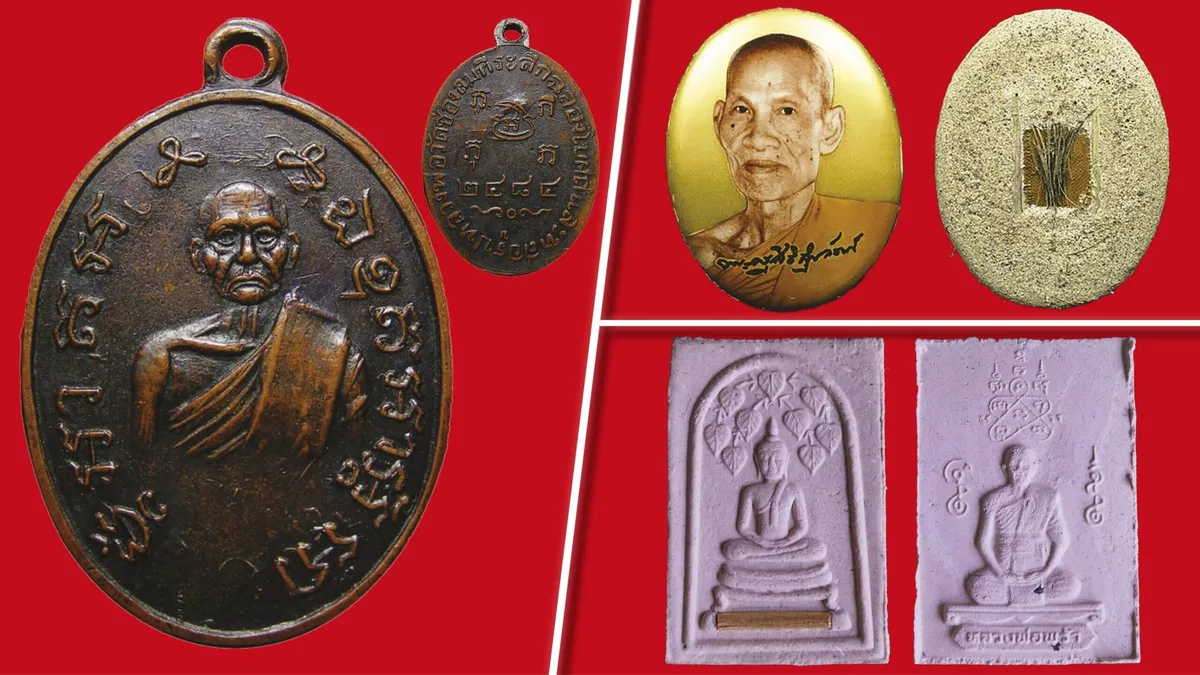
He passed away between 1922 and 1929. His remains are still preserved at Wat Pradu to this day. Amulets and sacred objects of Luang Pu Chaeng remain highly sought after.