Coral Bleaching Threatens Surin Islands as Ocean Temperatures Soar
Coral bleaching has been detected across multiple reefs in Surin Islands National Park in Phang Nga, with water temperatures reaching 30-31°C triggering discoloration in staghorn and other coral species. The park remains closed during monit
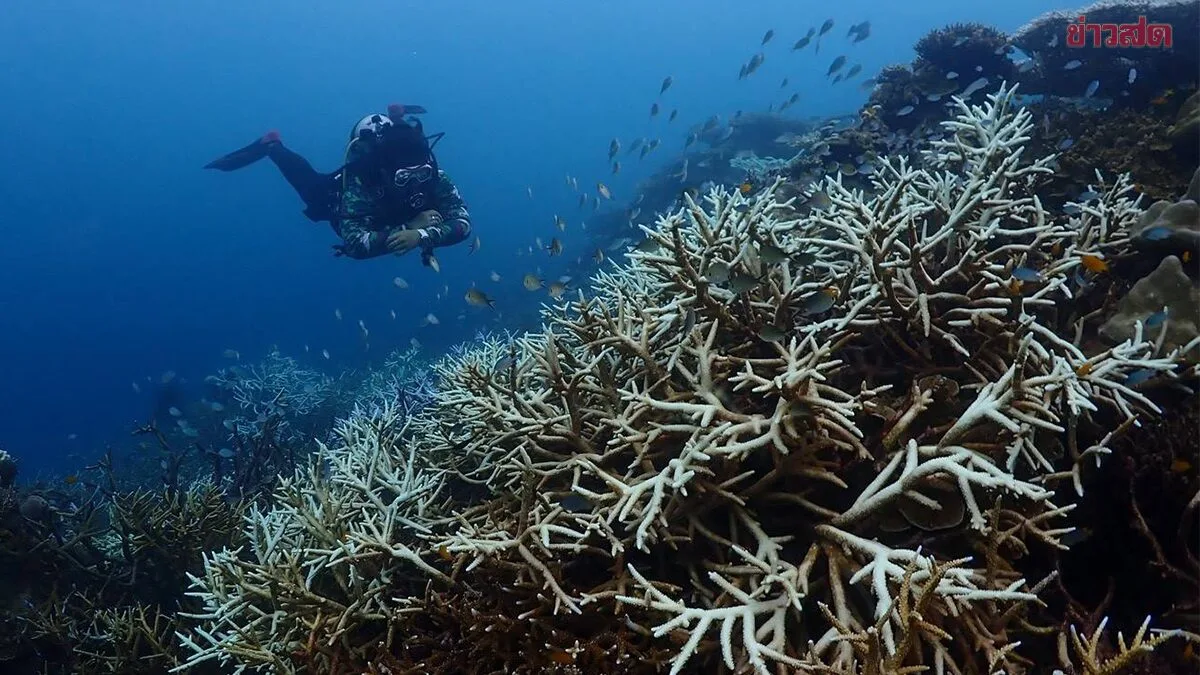
The director of the Department of National Parks, Wildlife and Plant Conservation, Arthapol Jaruenchansaa, addressed the coral situation in Surin Islands National Park in Phang Nga Province, stating that corals are now displaying bleaching signals with extensive discoloration, particularly among staghorn coral species. This marks an unusual occurrence compared to previous years, linked to rising sea temperatures.
Authorities have ordered continuous monitoring during the current tourism closure period, which allows the coral and marine ecosystems to recover without visitor interference. However, if the coral has not recovered by the scheduled reopening, the park may remain closed longer than planned.
Athit Khayunkij, head of Surin Islands National Park, reported that the most recent survey on June 26 found several coral areas showing bleaching damage from abnormally high water temperatures, ranging from 30-31 degrees Celsius—above normal levels for the season.
Bleaching was detected across multiple coral species and locations at varying severity levels. Suet Bay showed 50% bleaching and discoloration, Phak Kad Bay 30%, Turtle Bay 10%, Mae Yai Bay 10%, and Laem Chong Khad 10%. The park director revealed that staghorn coral (Acropora spp.), cabbage coral (Pocillopora spp.), porites coral (Porites rus), and porites coral (Porites lutea) were all affected.
Official surveys will now occur every 15 days to track recovery progress. Temperature monitoring equipment and NOAA Coral Reef Watch data will inform decisions going forward. The park experienced devastating bleaching in 2010, taking approximately 13 years to recover.
When tourism reopens on October 15, 2026, stricter regulations may be implemented. If bleaching exceeds 40%, diving activities in at-risk areas will be restricted, anchoring on coral prohibited, visitor numbers controlled, and additional stressful activities limited. Severely affected areas may be closed entirely to allow coral recovery.