Agriculture Ministry Monitors 20 Commodities Amid Volatile Output
Thailand's Agriculture Ministry is closely monitoring 20 commodities with volatile production levels to protect farmers from market swings, with 2569/70 forecasts predicting increased output for nine crops like dragon fruit and durian but r
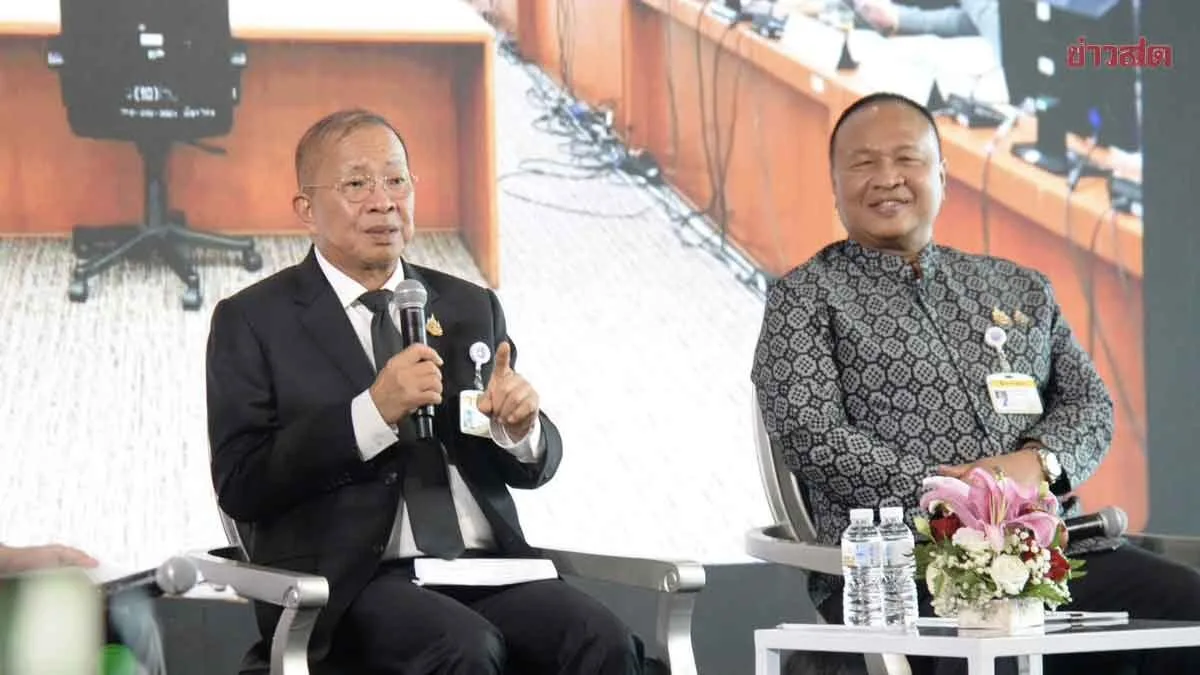
The Ministry of Agriculture and Cooperatives has ordered close monitoring of 20 agricultural commodities facing fluctuating production levels as it moves to protect farmers from negative impacts. Deputy Permanent Secretary Winairojan Sapsongsuk revealed this during the second 2569 meeting of the Agricultural Production Data Quality Development Committee, emphasizing the need for all agencies to comprehensively track both domestic and international agricultural conditions. The ministry aims to integrate data for evidence-based policy management that will provide tangible benefits to farming communities.
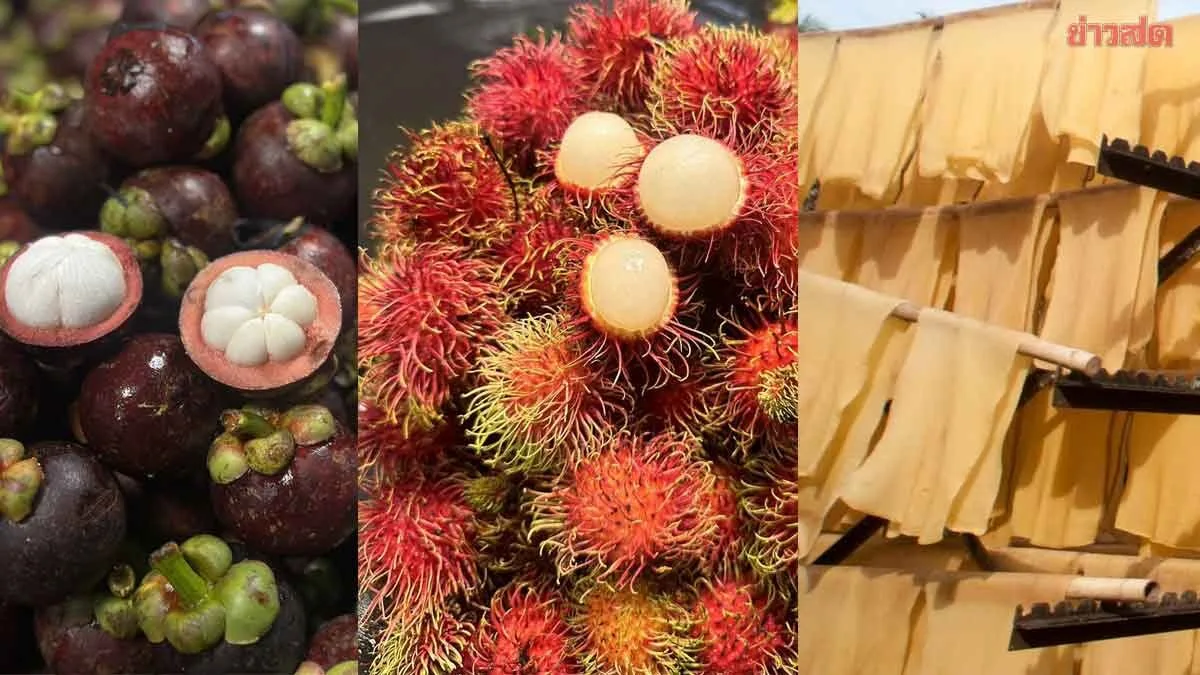
Review of 2568 production data showed that crop yields for durian, mangosteen, and rambutan increased per unit area, while dragon fruit output declined due to unfavorable weather conditions. For livestock, pork and broiler chicken production rose, but beef cattle output fell due to weak market incentives. In fisheries, black tiger shrimp and tilapia production increased, while white vannamei shrimp and catfish declined due to variable weather patterns.
Forecasts for the 2569/70 growing season covering 20 commodities, as of June 2569, predict nine commodities will see increased production: dragon fruit, durian, pattaya pineapple, mature coconuts, coffee, rambutan, rubber, cassava for industrial use, and animal feed corn. However, 11 commodities—lychee, longan, mangosteen, wet-season rice, soybeans, dry-season rice, catfish, black tiger shrimp, tilapia, white vannamei shrimp, and palm oil—are expected to see reduced output. The ministry has tasked relevant agencies with promoting cultivation suited to local conditions and providing farmers with enhanced knowledge on climate variability and its production impacts to build understanding and reduce future harm.